
Battery Safety 101: What Every Smartphone User Needs to Know
March 26, 2026Your smartphone is likely the device you rely on most throughout the day. And at the center of it all is the battery—a compact power source that, when working properly, goes mostly unnoticed.
But when a battery starts to fail, the risks go beyond just running out of charge. Swelling, overheating, or using an uncertified replacement can lead to serious safety concerns. Here’s what you need to know to keep your device—and yourself—safe.
🚨 Three Warning Signs You Should Never Ignore
Your battery will often give you clear signals before it becomes a problem. Pay attention to these:
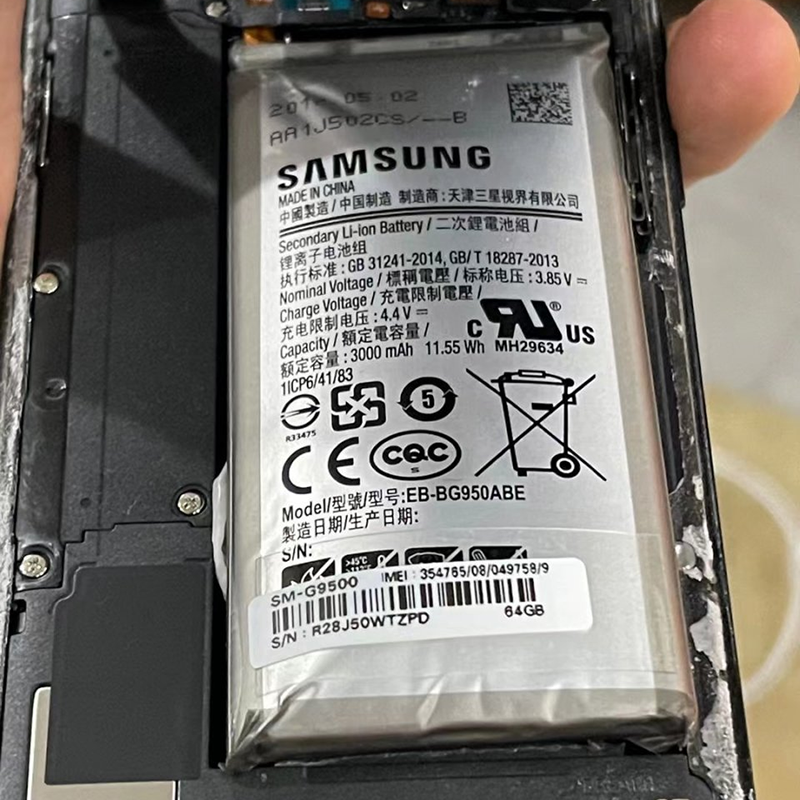
1. Swelling or Bulging
If your phone screen starts lifting away from the frame, or if the back cover feels uneven, the battery may be swelling. This is a chemical reaction inside the cell and a clear sign to stop using the device immediately. Continued use can damage internal components or, in rare cases, lead to fire.
2. Unusual Heat
All phones warm up during charging or heavy use. But if your device becomes painfully hot to the touch, or heats up while idle, it’s worth investigating. Persistent overheating can accelerate battery degradation and pose safety risks.
3. Rapid Power Drop
If your phone shuts down at 20% or 30% battery, or loses charge much faster than it used to, the internal resistance has likely increased. This doesn’t always mean immediate danger, but it does mean the battery is no longer operating within safe parameters and should be replaced.
🔒 What Makes a Battery Safe?
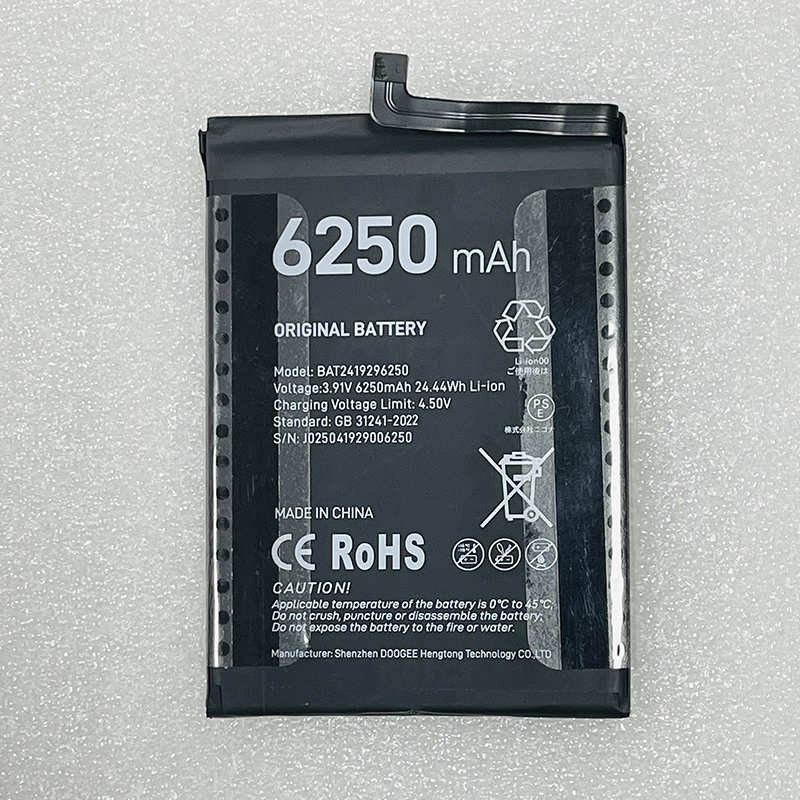
Not all replacement batteries are created equal. When shopping for a new battery, look for these three certifications—they’re your best guarantee of safety and reliability.
CE (Conformité Européenne)
This marking indicates the battery meets EU safety, health, and environmental protection standards. While it’s a self-declared certification, reputable suppliers back it with real testing.
RoHS (Restriction of Hazardous Substances)
RoHS-certified batteries are free from dangerous materials like lead, mercury, and cadmium. This matters for both your safety and responsible disposal.
UN38.3
UN38.3 is the most important safety certification for lithium batteries—but you won’t usually see it printed on the battery itself. UN38.3 is a transportation safety standard that requires batteries to pass a series of tests including altitude simulation, thermal cycling, vibration, shock, and short-circuit protection. Reputable suppliers like Qingsm Tech Battery ensure all batteries meet UN38.3 requirements for safe air transport, even if the mark isn’t physically on the label.
At Qingsm Tech Battery, every replacement battery we carry is fully CE, RoHS, and UN38.3 certified. We don’t cut corners on safety.
✅ How to Choose a Safe Replacement Battery
Here’s a quick checklist to follow when buying a replacement battery:
- Buy from a trusted source – Avoid marketplace listings with generic photos or unrealistically low prices.
- Check the certifications – Look for CE and RoHS markings on the battery label (UN38.3 is a supplier certification, not always printed).
- Verify compatibility – Even if the battery fits physically, voltage and capacity must match. A “100% compatibility guarantee” from the seller is a good safety net.
We offer a 100% compatibility guarantee—if the battery doesn’t fit or work with your device, we’ll refund you. No questions asked.
📦 Safe Usage and Storage Tips
Once you have a reliable battery, a few simple habits will help it last safely:
- Avoid full discharge – Try to keep the battery above 20% when possible. Deep discharges stress the cell.
- Don’t charge overnight regularly – Modern phones stop charging at 100%, but heat builds up over extended periods. If you must charge overnight, remove thick cases to help heat dissipate.
- Store in a cool, dry place – Heat is the enemy of lithium batteries. Avoid leaving your phone in direct sunlight or a hot car.
- Use the original charger when possible – Incompatible chargers can deliver unstable voltage. While most modern phones regulate this well, it’s still best practice.
🔧 Replacement and Recycling
For modern smartphones with sealed designs, battery replacement requires careful disassembly. If you’re not experienced with phone repair, professional installation is strongly recommended. A damaged battery during removal can become unstable.
When your old battery is removed, don’t throw it in household trash. Lithium batteries require proper recycling. Many electronics retailers and local waste facilities accept them—check your local regulations.
🛡️ Your Safety Is Our Priority
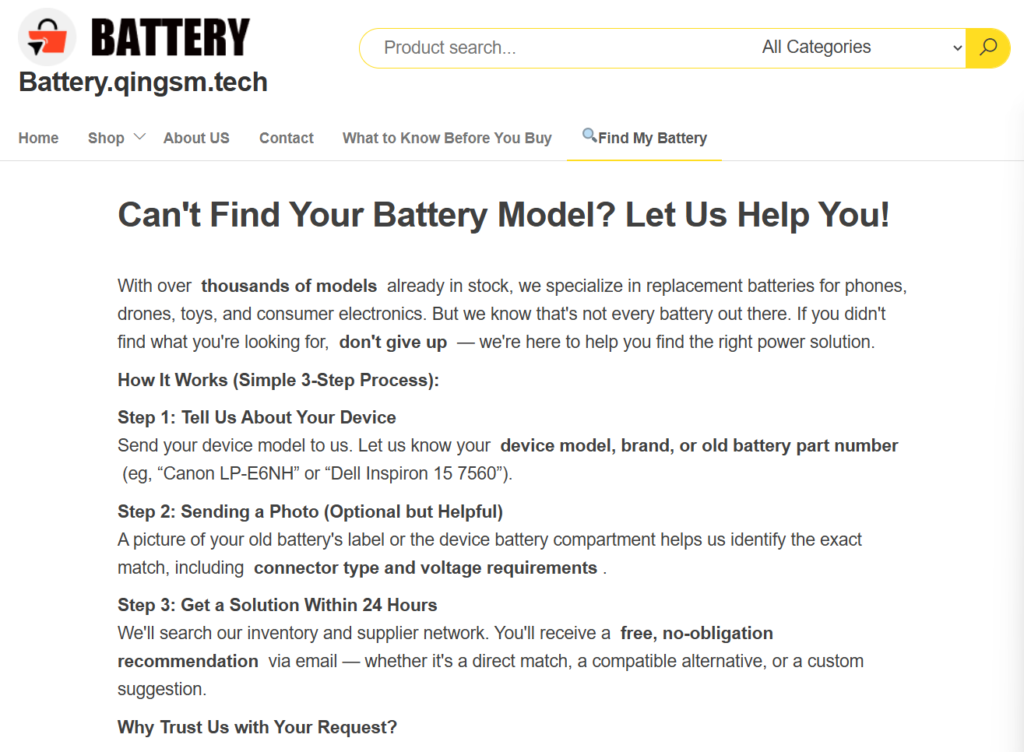
*Not sure which battery fits your device? We can help.*
At Qingsm Tech Battery, we take safety seriously. Every battery we sell is:
- Brand new, made with grade A cells
- CE, RoHS, and UN38.3 certified
- Backed by a 90-day warranty
- Shipped with tracking and optional shipping protection
If you’re unsure which battery your device needs, use our free battery lookup service—just tell us your device model, and we’ll find the right match within 24 hours.
👉 Not sure which battery fits your device? Try our free battery lookup service.
👉 Questions about shipping, tax, or returns? Visit our what-to-know page.
Discover more from Battery.qingsm.tech
Subscribe to get the latest posts sent to your email.